
Underbite: understanding it, and your options
An underbite is when the lower front teeth sit in front of the upper ones when you bite together. Some underbites come from tooth position and respond well to Invisalign; others come from the jaws and need a different plan. The honest first step is finding out which kind you have.
 By Dr Louise Gidda · Platinum Elite Invisalign provider
Updated October 2026 · 7 min read
Clinically reviewed by Dr Louise Gidda BDS MFGDP RCS (Eng)GDC No. 78061October 2026
Two kinds of underbite
The distinction matters more here than for any other bite problem.
- A dental underbite is a matter of tooth position. The jaws are roughly in proportion, but the upper front teeth tip back or the lower ones tip forwards, so they meet edge to edge or the lower ones sit in front. This is often mild and is the kind aligners treat well.
- A skeletal underbite comes from the jaws themselves: a lower jaw that has grown further forward than the upper, or an upper jaw that is smaller. The teeth are only following the bones. Moving them can improve the bite, but cannot change the jaw.
Louise can usually tell which you have at the consultation, from your profile, the way your jaw sits at rest and how the teeth meet at the back. The X-ray included in every package confirms it by showing the relationship between the two jaws.
Illustrative animation provided by Invisalign. Individual treatment plans, times and results vary.
Signs and symptoms
The obvious sign is the lower teeth in front of the upper when you close naturally. Others are a chin that looks prominent in profile, difficulty biting cleanly through food with the front teeth, speech that feels effortful on certain sounds, lower front teeth that are wearing at the edges, and jaw discomfort. In a mild case there may be no symptoms at all, just an edge-to-edge bite you notice in photographs.
What causes it
Mainly inheritance: the growth pattern of the jaws runs in families. Childhood habits that push the lower jaw forward or hold the upper teeth back, such as thumb sucking in an unusual position or prolonged mouth breathing, play a part. Missing or late upper teeth can let the lower ones come forward. Occasionally an injury to the jaw changes how it grows.
Why treat it
A mild underbite mainly affects appearance and confidence, and that is a good reason on its own. A more marked one wears the front teeth, makes chewing less efficient, and over the years puts strain on the jaw joints. Teeth meeting edge to edge chip more easily. Correcting the bite spreads the forces properly and protects the teeth.
How Invisalign treats a dental underbite
The movements are the mirror image of a deep-bite plan: the upper front teeth are tipped and moved forwards, the lower front teeth are moved back, and the back teeth are adjusted so the bite settles with the uppers in front. Small attachments give the aligners grip on the teeth that have to travel furthest. Many plans also use small elastics hooked between the upper and lower aligners for part of the treatment; they are discreet, and they add the gentle forward pull on the upper teeth that aligners alone cannot provide. The animation on this page shows the pattern: the lower teeth drop back behind the uppers as the arches are levelled.
When Invisalign alone is not enough
A skeletal underbite in a growing child is best treated early, often with an appliance that encourages the upper jaw forward while growth can still be guided; that is specialist orthodontic territory and we will refer you if it applies. In an adult with a large jaw discrepancy, full correction means jaw surgery combined with orthodontics. Many adults with a moderate skeletal underbite choose instead to have the teeth repositioned to the best possible compromise, which Invisalign can do well. Louise will set out both routes honestly rather than promising a result the teeth cannot deliver.
What treatment looks like here
A mild edge-to-edge bite with the front teeth is often a Lite or Moderate case, six to twelve months. A fuller dental underbite is usually Comprehensive, twelve to eighteen months with unlimited aligners and refinements included. You see the planned bite on screen before you decide.
At Clear Braces Solihull every Invisalign package includes your consultation, iTero scan, X-ray, Dental Monitoring, Vivera retainers, professional whitening and twelve months of aftercare, in one written price. Interest-free monthly payments are available.
Questions people ask
Can Invisalign fix an underbite?
A dental underbite, where the jaws are in proportion and the teeth are tipped, usually yes. A skeletal underbite can be improved but not fully corrected without surgery. Louise will tell you which you have.
How do I know if my underbite is from my jaw or my teeth?
Your profile, the way your jaw rests and the X-ray included in your package show the relationship between the jaws. Louise explains it at your consultation.
Will I need elastics?
Many underbite plans use small elastics between the upper and lower aligners for part of the treatment. They are discreet and easy to fit yourself.
How long does underbite treatment take?
Usually twelve to eighteen months for a full correction, less for a mild edge-to-edge bite.
Does an underbite affect speech?
It can, particularly sounds made with the front teeth and lips. Improving the bite often helps, though we would never promise it.
Is my child's underbite urgent?
An underbite in a child is worth assessing early, because guiding jaw growth is only possible while they are still growing. We will refer you to a specialist orthodontist if that is the right route.
Your local Invisalign expert: a Platinum Elite Invisalign provider at Clear Braces Solihull, Omnia Dental Spa, with more than twenty-five years of orthodontic experience and 4,250+ cases. GDC No. 78061.
Sources and further reading
- Invisalign UK — treatable cases
- NHS — orthodontics
- British Orthodontic Society — patient information
- Invisalign — underbite: causes, signs and treatment
This guide is general information and reflects guidance from the NHS, the General Dental Council, the Oral Health Foundation, the British Orthodontic Society and Align Technology. It is not a substitute for an examination. Book a consultation for advice about your own teeth.
 Conditions we treat · 7 min read
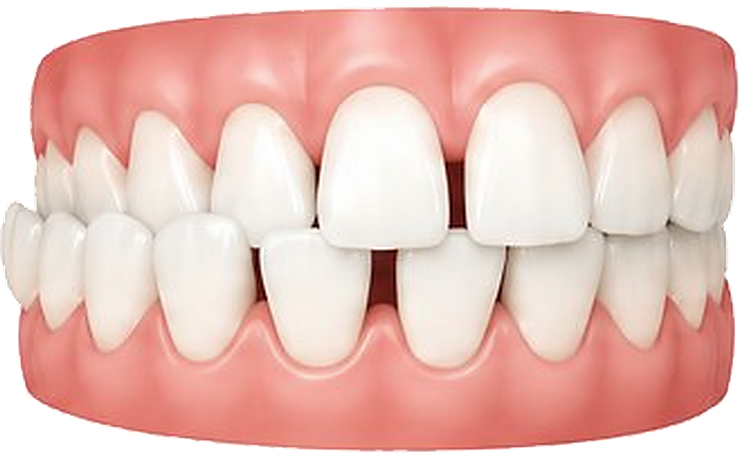
Crossbite: why it matters, and how it is treated
When some upper teeth bite inside the lower, and how aligners realign the bite.
Read the guide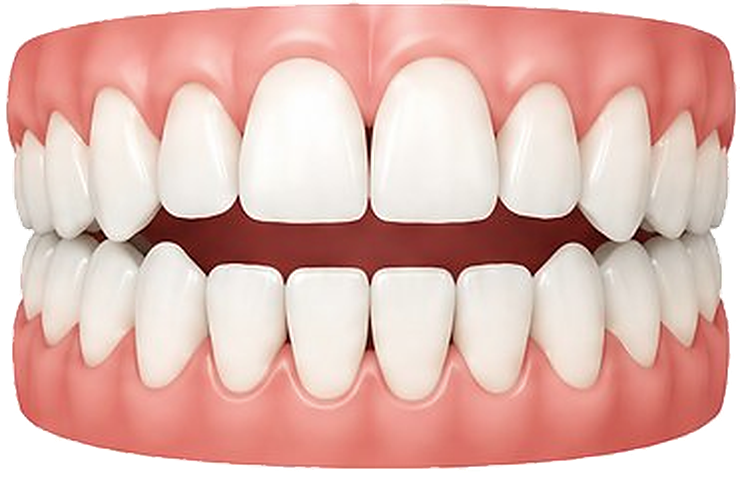 Conditions we treat · 6 min read
Open bite: when the front teeth do not meet
What causes an open bite, why it affects eating and speech, and how aligners help.
Read the guide
Generally straight teeth: small refinements with Invisalign
One tooth out of line, a slight twist, a small gap: what a short course of aligners can do for a smile that is nearly there.
Read the guideLook goodFeel greatSmile confidently
Ready to talk it through?
A relaxed consultation with Dr Louise Gidda, with a 3D preview of your smile on the day.
A £25 booking fee reserves your consultation. It is credited in full to your treatment if you go ahead, and is non-refundable if you do not.