
Gaps between teeth: closing spaces with Invisalign
A small gap can be part of a characterful smile, and plenty of people keep theirs. If you would rather close yours, spacing is one of the things Invisalign does most reliably. This guide explains why gaps appear, when they are worth having checked, and how we close them so they stay closed.
 By Dr Louise Gidda · Platinum Elite Invisalign provider
Updated October 2026 · 6 min read
Clinically reviewed by Dr Louise Gidda BDS MFGDP RCS (Eng)GDC No. 78061October 2026
What spacing is
Spacing is the opposite of crowding: more room in the jaw than the teeth need. The classic version is a gap between the two upper front teeth, called a diastema, but gaps can appear anywhere, and some people have small spaces across the whole arch. A gap can be a few tenths of a millimetre or wide enough to put the tip of your tongue through.
Illustrative animation provided by Invisalign. Individual treatment plans, times and results vary.
Why gaps appear
- Proportion. Teeth that are naturally small or narrow for the size of the jaw, or one missing or undersized tooth, most often a lateral incisor.
- The frenum. The small band of tissue under the upper lip sometimes attaches low between the front teeth and holds them apart.
- Habits. Thumb sucking or tongue thrusting push the front teeth forwards and apart.
- Gum disease. When the bone around the teeth is lost, they loosen and drift, and new gaps opening in adulthood are sometimes the first sign.
- A missing tooth. Neighbouring teeth tip and drift into the space over the years.
When to have it checked
A gap you have always had is a cosmetic question, and the decision is yours. A gap that is new, or widening, should be looked at, because drifting teeth in an adult can mean the gum and bone need attention before anything else. Louise checks gum health and bone levels at every consultation, and if treatment for gum disease is needed first it is carried out at Omnia Dental Spa before any aligner is made. That is not an obstacle; it is the order that keeps the result safe.
How Invisalign closes gaps
Closing a space means moving teeth bodily along the arch, not just tipping their crowns together. Aligners do this well because they wrap the whole tooth. The plan moves the teeth either side of the gap towards each other in small, staged steps, often with a small attachment on each so the aligner can push the root as well as the crown. The animation on this page shows the sequence: the spaces narrow evenly rather than one tooth lurching across.
Where a gap is wide because a tooth is undersized, the best result sometimes combines Invisalign with composite bonding: the aligners distribute the space evenly, then the small tooth is built up to a natural width. We explain that at the planning stage so you know exactly what is involved and what it costs. If a tooth is missing altogether, the choice is between closing the space entirely or spreading it into the right size for a future implant or bridge; both are planned in the same software.
Keeping gaps closed
Spaces are the one thing that will reopen if you let them. The fibres in the gum that were stretched when the teeth moved pull gently back for many months afterwards. That is why we fit your Vivera retainers on the day treatment finishes, and why for a closed front-tooth gap Louise often recommends a fine fixed wire behind the teeth as well. Where a low frenum caused the gap, a small, simple procedure to release it may be suggested so it cannot pull the teeth apart again.
What treatment looks like here
A single small gap is often an Express case: up to seven aligners over three to four months. Several gaps across the front teeth usually suit Lite, six to seven months. Spacing across both arches is a Moderate case over nine to twelve months. Louise confirms the package at your consultation and shows you the planned result on screen first.
At Clear Braces Solihull every Invisalign package includes your consultation, iTero scan, X-ray, Dental Monitoring, Vivera retainers, professional whitening and twelve months of aftercare, in one written price. Interest-free monthly payments are available.
Questions people ask
Can Invisalign close a large front-tooth gap?
Usually, yes. Very wide gaps may be closed partly with aligners and finished with composite bonding, or planned to leave the right space for a replacement tooth. Louise will show you both options on the 3D plan.
Will the gap come back?
Not if the retainers are worn. Closed spaces have the strongest pull to reopen, which is why Vivera retainers are included and a fixed wire is sometimes added behind the front teeth.
Is a gap between my front teeth a health problem?
A long-standing gap is not. A new or widening gap in an adult can be a sign of gum disease and should be checked.
How long does it take to close gaps?
From three or four months for one small gap to around a year for spacing across both arches.
Can gaps be closed without braces or aligners?
Composite bonding or veneers can mask a gap by making the teeth wider, without moving them. It can be a good answer for a very small space, and Louise will tell you honestly if it would look better than moving the teeth.
Your local Invisalign expert: a Platinum Elite Invisalign provider at Clear Braces Solihull, Omnia Dental Spa, with more than twenty-five years of orthodontic experience and 4,250+ cases. GDC No. 78061.
Sources and further reading
- Invisalign UK — treatable cases
- NHS — orthodontics
- British Orthodontic Society — patient information
- Invisalign — gap teeth (diastema): causes and treatment
This guide is general information and reflects guidance from the NHS, the General Dental Council, the Oral Health Foundation, the British Orthodontic Society and Align Technology. It is not a substitute for an examination. Book a consultation for advice about your own teeth.
 Conditions we treat · 7 min read
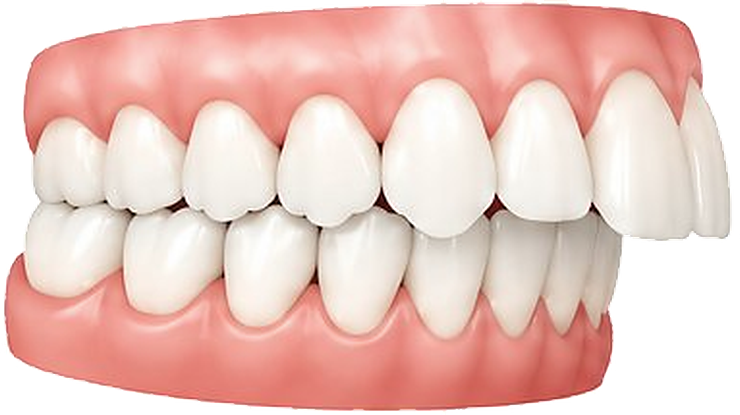
Overbite: what it is and how Invisalign corrects it
When the upper teeth close too far over the lower, and how aligners improve the bite.
Read the guide
Protruding front teeth (overjet): causes and how Invisalign helps
When the upper front teeth stick out ahead of the lower ones, what causes it, and how aligners bring them back.
Read the guide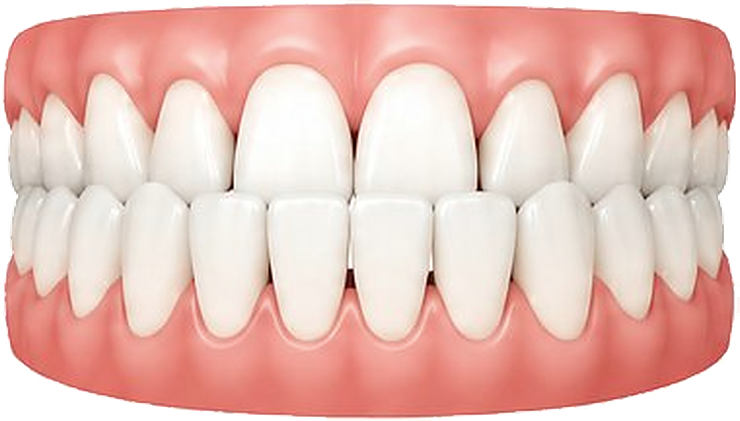 Conditions we treat · 7 min read
Underbite: understanding it, and your options
When the lower teeth sit in front of the upper, what causes it and when aligners can help.
Read the guideLook goodFeel greatSmile confidently
Ready to talk it through?
A relaxed consultation with Dr Louise Gidda, with a 3D preview of your smile on the day.
A £25 booking fee reserves your consultation. It is credited in full to your treatment if you go ahead, and is non-refundable if you do not.