
Protruding front teeth: what an overjet is, and how Invisalign corrects it
Upper front teeth that sit well ahead of the lower ones are one of the most common reasons people feel self-conscious about their smile, and one of the most common things we treat. The technical name is an increased overjet. Here is what causes it, why it matters beyond appearance, and how aligners bring the teeth back.
 By Dr Louise Gidda · Platinum Elite Invisalign provider
Updated October 2026 · 7 min read
Clinically reviewed by Dr Louise Gidda BDS MFGDP RCS (Eng)GDC No. 78061October 2026
Overjet is not overbite
The two are often confused. Overbite is the vertical overlap, how far the upper front teeth come down over the lower ones. Overjet is the horizontal distance, how far they sit in front. A normal overjet is two to three millimetres. When it is six, eight or ten, the upper teeth noticeably lead the lower lip, which is what people describe as sticking-out or buck teeth. Many people have an increased overjet and a deep bite together; the overbite guide covers the vertical problem, and this one covers the horizontal.

How to tell
Look at your profile in a mirror, or in a photograph taken from the side. If the upper front teeth sit clearly ahead of the lower lip, or the lower lip tucks behind the upper teeth at rest, the overjet is increased. From the front the upper teeth may look long or flared, and there may be a gap between them and the lower teeth when you bite together. Louise measures it in millimetres at the consultation, and the iTero scan records it precisely.
What causes it
- Jaw relationship. Most often a lower jaw that sits a little behind the upper, which is inherited. The teeth are in a normal position on their jaws; it is the jaws that are offset.
- Flared teeth. Upper front teeth that have tipped forwards, usually because of thumb or dummy sucking past about four, a tongue that pushes against them, or a lip that rests behind them and pushes them out.
- Crowding. When there is no room in the arch, front teeth are pushed forwards.
- Missing lower teeth. The lower arch collapses back and the overjet increases.
Why it is worth treating
Prominent upper teeth are the teeth most often chipped or knocked out in a fall or a sports injury; the risk roughly doubles with a large overjet, which is why it matters particularly in children and teenagers. The lips may not close easily at rest, which dries the mouth and gums. Lower teeth may bite into the gum behind the upper teeth. And people with a large overjet very often hide their smile, which is reason enough on its own.
How Invisalign corrects an overjet
The movement is retraction: bringing the upper front teeth back along the arch and, where they are flared, tipping them upright. That needs space behind them, which the plan creates by expanding the arch slightly, polishing a hair's width of enamel between teeth, or moving the back teeth further back first. Small attachments on the front teeth let the aligners move the roots as well as the crowns, so the teeth are repositioned rather than simply tipped. Where the lower jaw sits back, elastics between the upper and lower aligners are often used for part of the treatment to encourage the bite forward. A deep bite alongside the overjet is corrected at the same time.
When more is needed
In a child or young teenager with a lower jaw that sits well back, a functional appliance worn while they are growing can guide the jaw forward, and that is often the right first step before any aligners; Louise will refer you to a specialist orthodontist if it applies. In an adult with a very large jaw difference, complete correction would involve jaw surgery, and most people choose a good tooth-position compromise instead, which aligners deliver well. Where crowding is severe, a tooth may need to be removed to make the space; that is discussed at the start, not discovered half way through.
What treatment looks like here
A mild overjet from flared teeth is often a Lite or Moderate case, six to twelve months. A larger overjet, particularly with a deep bite or crowding, is usually Comprehensive, twelve to eighteen months with unlimited aligners and refinements included. You see the planned profile on screen at your consultation before you decide.
At Clear Braces Solihull every Invisalign package includes your consultation, iTero scan, X-ray, Dental Monitoring, Vivera retainers, professional whitening and twelve months of aftercare, in one written price. Interest-free monthly payments are available.
Questions people ask
Can Invisalign fix protruding teeth?
Most overjets caused by flared teeth or mild jaw differences, yes. Very large jaw differences in adults can be improved but not fully corrected without surgery; Louise will tell you which applies to you.
What is the difference between overjet and overbite?
Overjet is how far the upper teeth stick out in front; overbite is how far they come down over the lower teeth. Many people have both.
How long does it take to correct an overjet?
Usually six to eighteen months depending on how far the teeth need to move and whether the bite needs correcting too.
Will I need elastics?
Often, for part of the treatment, if the lower jaw sits back. They hook between the aligners and are discreet.
Is my child's overjet urgent?
Prominent front teeth in a child are at higher risk of injury, and jaw growth can only be guided while they are growing, so an early assessment is sensible.
Your local Invisalign expert: a Platinum Elite Invisalign provider at Clear Braces Solihull, Omnia Dental Spa, with more than twenty-five years of orthodontic experience and 4,250+ cases. GDC No. 78061.
Sources and further reading
- British Orthodontic Society — patient information
- NHS — Orthodontics
- Invisalign — what is an overbite and how it affects your smile
- Invisalign — treatable cases
This guide is general information and reflects guidance from the NHS, the General Dental Council, the Oral Health Foundation, the British Orthodontic Society and Align Technology. It is not a substitute for an examination. Book a consultation for advice about your own teeth.
 Conditions we treat · 7 min read
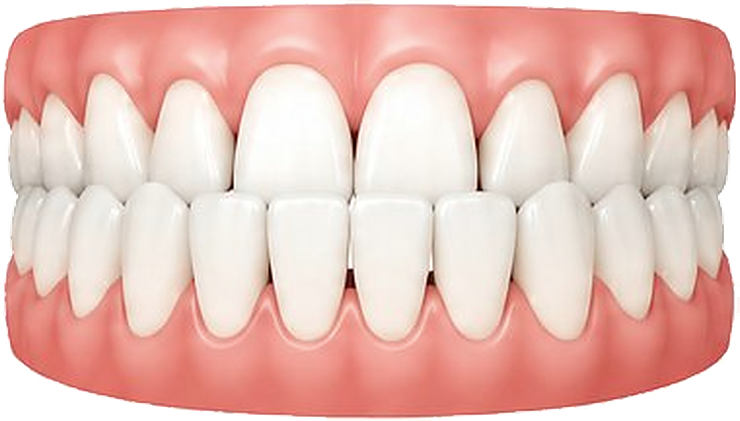
Underbite: understanding it, and your options
When the lower teeth sit in front of the upper, what causes it and when aligners can help.
Read the guide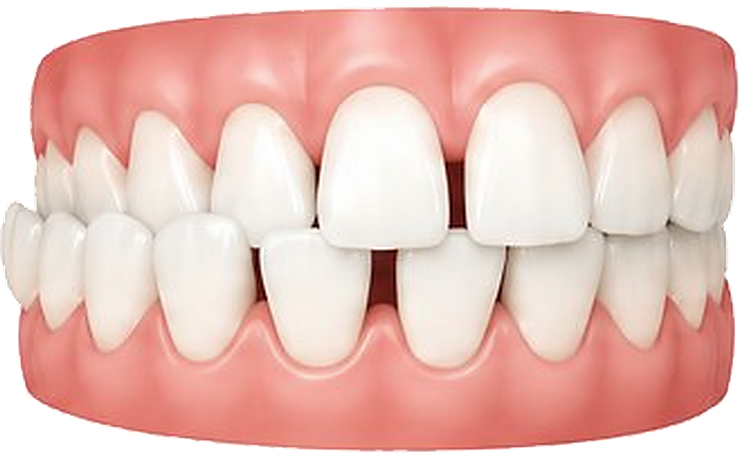 Conditions we treat · 7 min read
Crossbite: why it matters, and how it is treated
When some upper teeth bite inside the lower, and how aligners realign the bite.
Read the guide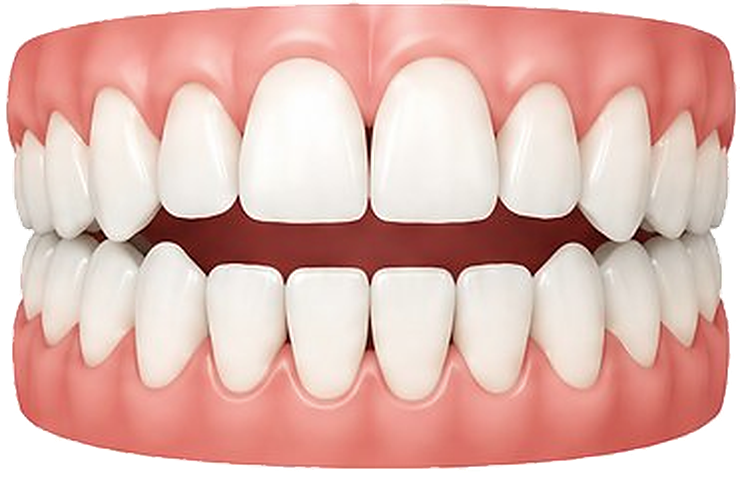 Conditions we treat · 6 min read
Open bite: when the front teeth do not meet
What causes an open bite, why it affects eating and speech, and how aligners help.
Read the guideLook goodFeel greatSmile confidently
Ready to talk it through?
A relaxed consultation with Dr Louise Gidda, with a 3D preview of your smile on the day.
A £25 booking fee reserves your consultation. It is credited in full to your treatment if you go ahead, and is non-refundable if you do not.